
 Back to Blog

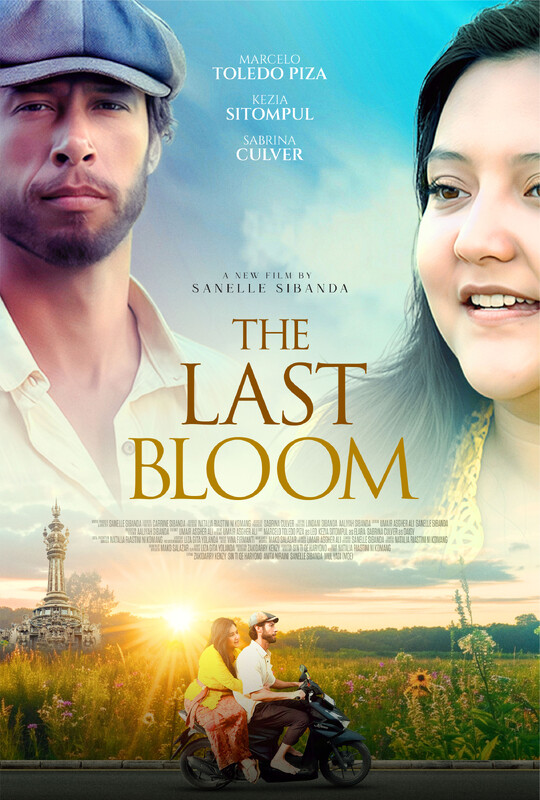
The film never rushes toward its heartbreak.
Instead, it lets hope bloom first.
At its center is a florist living with the certainty of a terminal illness. Her final wish is remarkably modest: one perfect date with a stranger. In another filmmaker’s hands, that premise might have become sentimental. Here, it becomes something quieter and more unsettling. The closer the story moves toward fulfillment, the more it reminds us that fate has its own sense of timing.
Flowers have always carried a contradiction. They celebrate beginnings, accompany endings, and rarely stay long enough to witness either. The film understands that symbolism instinctively. The florist spends her life arranging beauty that others will take home, while knowing that her own future is slipping beyond her reach. That irony gives every gesture unexpected emotional weight.
The stranger is equally important, not because he represents romance, but because he represents possibility. The film resists turning him into an idealized fantasy. Instead, it asks whether two lives can briefly transform one another even when neither has the power to change destiny itself.
What lingers is not the twist, but the emotional architecture leading toward it.
Sanelle Sibanda approaches the story with remarkable restraint. His work has consistently explored communities, culture, and the language of ordinary people, and that sensibility is visible here. The dialogue feels lived in rather than performed, allowing silence, glances, and small acts of kindness to carry emotional meaning. The film trusts its audience enough not to explain every feeling.
That confidence is rare.
The story quietly argues that love is not measured by duration. It is measured by presence. A single evening can sometimes contain the emotional truth of an entire lifetime if two people meet at exactly the moment they need one another.
Perhaps that is the film’s most enduring idea. We often imagine destiny as something grand and inevitable. This film suggests it may instead be fragile, intimate, and heartbreakingly brief.
By the final moments, the audience is left with an unexpected realization. Some endings do not diminish love. They reveal how precious it was from the very beginning.
Royal Feather Award.
Winner of Best Narrative Short.
USA International Film Awards.


